Kristian Schuller
- DANCING WITH A STRANGER
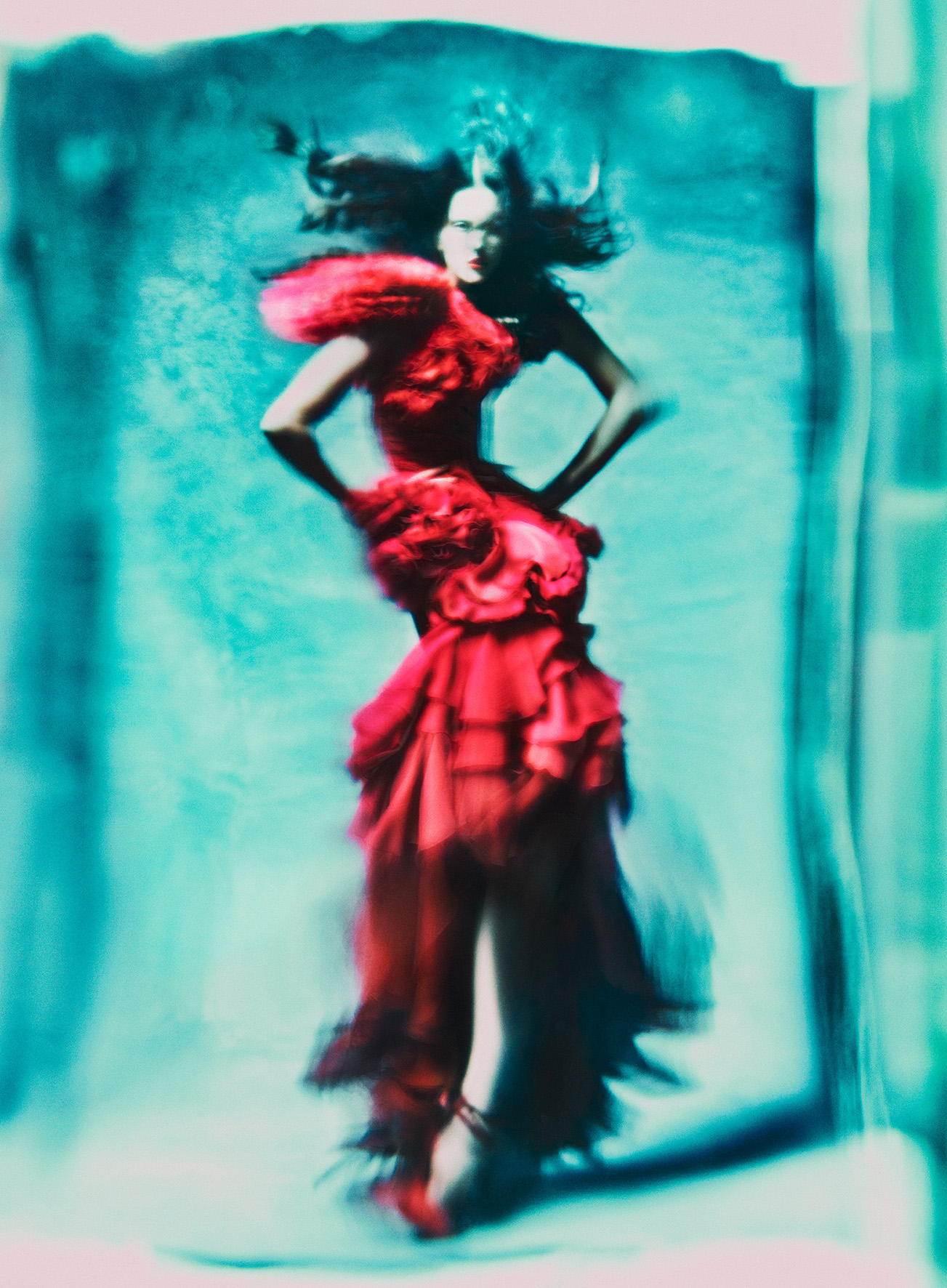
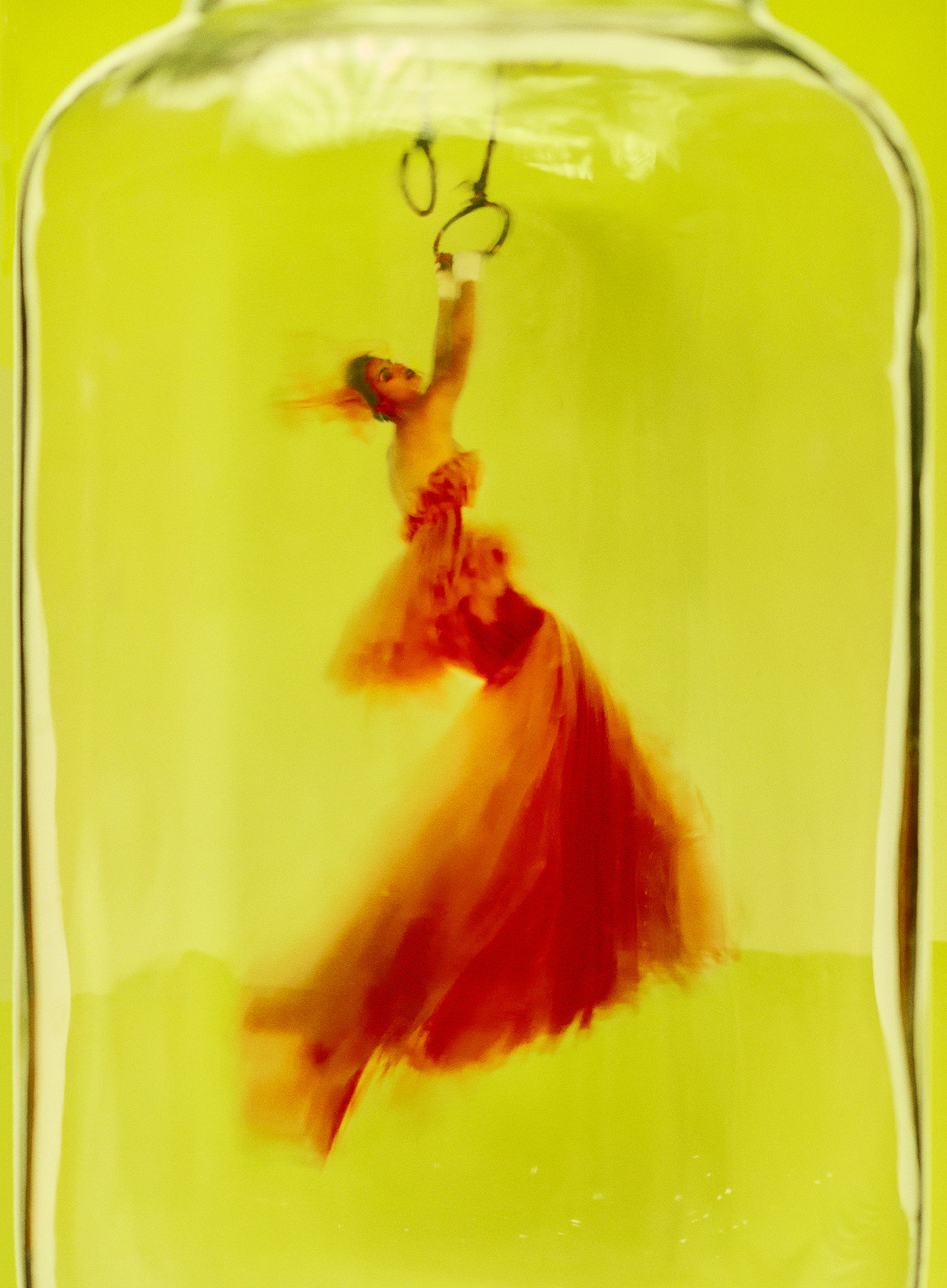
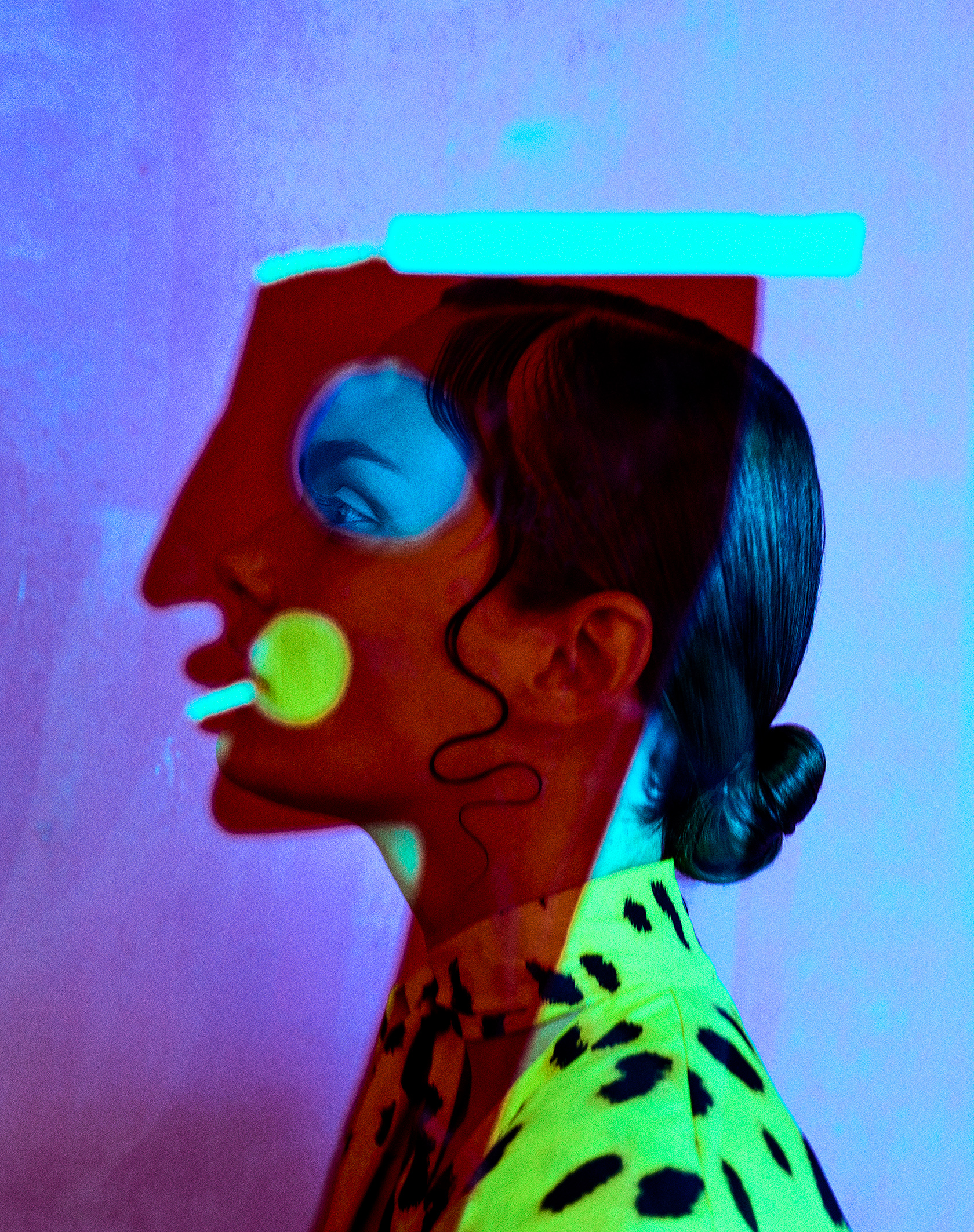
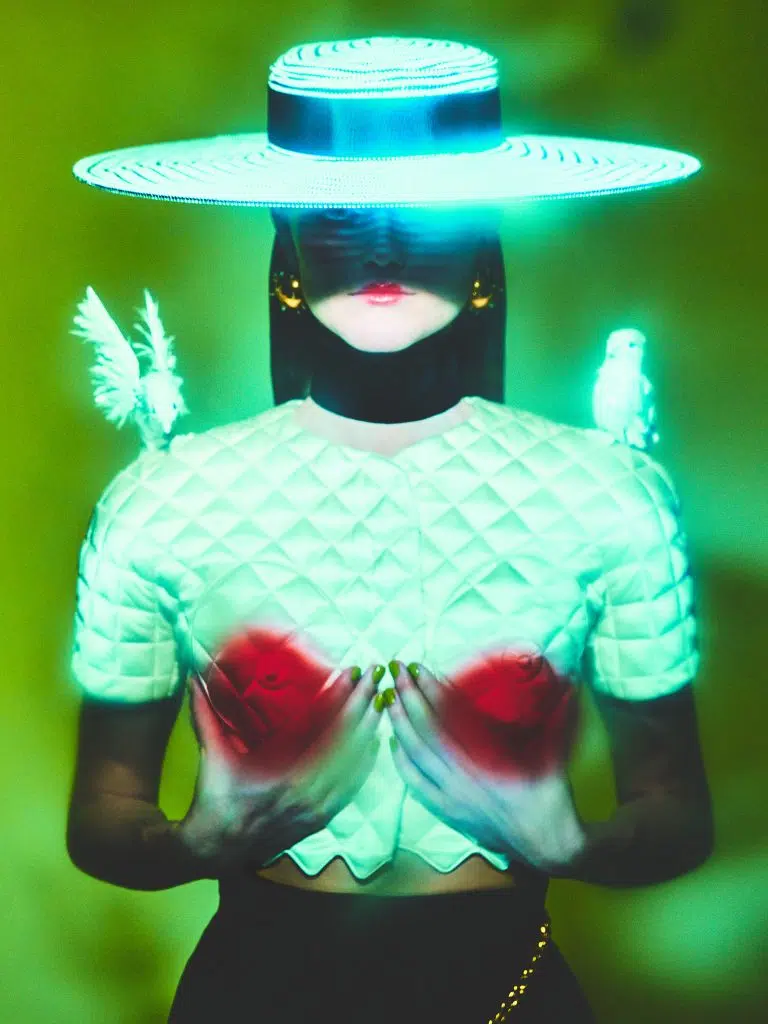
Kristian Schuller’s photography lies at the intersection of fashion, theater, and visual storytelling. His images create poetic and dreamlike worlds where the boundaries between stage and reality, clothing and body, image and imagination dissolve. Guided entirely by his own vision, Schuller constructs scenes that transcend the confines of everyday life and invite the viewer into a universe of emotion, wonder, and imagination.
Kristian Schuller – Imagination, Color, and Theatrical Elegance
Kristian Schuller is one of Europe’s most distinctive fashion photographers, known for his grand visual worlds where fashion, theater, and dreams converge in captivating visual storytelling. Born in Romania in 1970 and raised in Germany after his family emigrated from communist Eastern Europe, Schuller developed a visual language marked by a longing for color, freedom, and imagination—qualities that stood in stark contrast to the gray reality of his childhood.
A photo shoot is often an encounter with a stranger. We have never met before, but we work together very closely before going our separate ways. Perhaps we will never see each other again. This encounter, somewhere between the fleeting and the intense, is a central starting point in Schuller’s artistic practice.
His photographic work operates at the intersection of fashion, theatricality, and visual composition. The images create a poetic and visually rich world where the boundaries between stage and reality, clothing and body, image and inner landscape dissolve. Schuller constructs these worlds entirely from his own imagination, unbound by the limitations of everyday life.
Schuller’s aesthetic is characterized by a strongly theatrical expression. The visual space functions as a stage where the figures do not merely pose for the camera but step into roles—often ambiguous, sometimes mythical, and at times dramatically imaginative. Through costumes, large-scale constructions, textiles, objects, and carefully staged lighting, stories are created without words, where the expressiveness of the bodies becomes a central part of the narrative.
His photographs draw inspiration from European theater and film history, particularly Surrealism and Expressionism, as well as from filmmakers such as F.W. Murnau, Fritz Lang, and Federico Fellini. At the same time, they engage with the legacy of 20th-century fashion photography, with references to Erwin Blumenfeld, Man Ray, and Irving Penn, among others.
Growing up in an artistic home shaped Schullers’ view of the world. Surrounded by creative people whose zest for life stood in contrast to the grayness of the communist era, he experienced socialism as a funeral march in subdued tones. When he later came to Western Europe, he was met by an abundance of colors, vibrancy, and the realization that anything was possible—experiences that continue to permeate his visual world.
A crucial part of Schuller’s work is his collaboration with his wife, Peggy Schuller. She is not only responsible for the extraordinary costume and clothing designs but also contributes to the development of ideas, construction, and the visual composition of each individual image. Together, they form a creative duo that explores the materiality of the image and its many possible interpretations. The garments lose their purely functional role and take on the character of installations or sculptural forms.
In Schuller’s work, color takes on a symbolic and psychological significance. It is never neutral but serves as a means of expression for intensity, emotion, and rhythm. In the same way, the human figure—often blurred, distant, or frozen in stillness—ceases to be a model and instead becomes the bearer of an idea or a role. The female figure occupies a central position: sometimes idealized, sometimes disturbingly monumental, she is transformed into a symbolic figure asserting her presence in the pictorial space.
In Kristian Schuller’s world, photography is not a tool for documentation but a constructed art form—a medium for imagination and staged escapism, yet characterized by a strong artistic structure and technical precision. The viewer is invited not only to look at the image but to step into its world and experience its ambiguity, opulence, aesthetic richness, and the underlying irony that often permeates the scenes.
Speaking about his approach to photography, he says:
“I prefer to get lost in the unknown rather than have everything laid out before me in broad daylight. The silhouette of a woman is enough to set off a whole movie in my imagination. I am very fortunate to work with amazing people whose strong personalities both inspire and challenge me. In this context, it doesn’t matter whether we’re talking about well-known figures like Cate Blanchett or Penélope Cruz, or ordinary people from my village in the Transylvania series. Character and beauty in images can only emerge through the interplay with the subject’s personality—everything else is empty to me.”
About the artist:
Kristian Schuller moved with his family from Transylvania, Romania, to Germany at the age of seven. As the son of a dramaturge and director and an art teacher, he grew up surrounded by theater and a wealth of creative influences. He studied photography under F. C. Gundlach and fashion design under Vivienne Westwood at the Universität der Künste in Berlin.
Although he chose to pursue a career as a photographer after completing his studies, both disciplines continue to shape his artistic identity to this day. After being introduced to Condé Nast Publications in London by Isabella Blow, Kristian went on to work internationally with various fashion magazines, commercial clients, and on his own projects.
His wife Peggy is an art director and fashion designer and works alongside Kristian as part of their creative team. They met in Vivienne Westwood’s class, where Peggy was also a student. Her design and creative contributions play an important role in his work.
After several years in Paris and New York, Kristian Schuller has returned to Berlin with his family.
Kristian’s most recent exhibitions have been shown at Fotografiska in Stockholm, Kunstraum Potsdam, Messe Graz, Jaeger Art Gallery in Berlin, Oberstdorf, and In The Pink Gallery in the Algarve, Portugal.
Published books: 90 Days, One Dream (2010), Tales for Oskar (2014), Anton’s Berlin (2020). Two new books will be published in spring 2027.
Torstr. 78, 10119 Berlin – 99 Wall Street # 371